Lifecycle of a Home Roof in Minnesota

Living in Minnesota means experiencing the full spectrum of weather conditions—from frigid winters to scorching summers. These seasonal changes can take a toll on your home’s roof, making roof repair and roof replacement critical considerations for homeowners. Understanding a Minnesota roof lifecycle and the quirks associated with different seasons can help maintain your roof’s integrity and longevity.

If you notice any issues or have concerns about your roof, don’t hesitate to contact BD Exteriors. Fill out our contact form or call us at (320) 229-2855 to schedule an inspection or consultation.

Expected Lifespan of a Roof

A well-maintained roof in Minnesota can last anywhere from 20-30 years, depending on the materials used. Asphalt shingles, the most common roofing material, typically have a lifespan of about 20-25 years.

On the other hand, metal roofs can last over 50 years with proper care. Regardless of the material, understanding the impact of Minnesota’s weather on your roof is essential for maximizing its lifespan.

Blog Image for 4 Common Things Damaging Your Roof Shingles

Impact of Seasonal Changes

Winter: The Challenge of Cold and Snow

Winter in Minnesota can be particularly harsh on roofs. The heavy snow, ice dams, and fluctuating temperatures pose unique challenges. Ice dams form when poor insulation allows excess heat from your attic space to melt the snow on your roof and drip down to the cold eaves. The water then refreezes, forming the ice dam. This can cause water to back up under the shingles, leading to leaks, water damage, and the need for roof repair.

To mitigate these issues, ensure your attic is well-insulated and ventilated to prevent warm air from escaping and melting the snow on your roof. Regularly removing snow from your roof can also help, but be cautious to avoid damaging the shingles and gutters.

Spring: The Season of Thaw and Rain

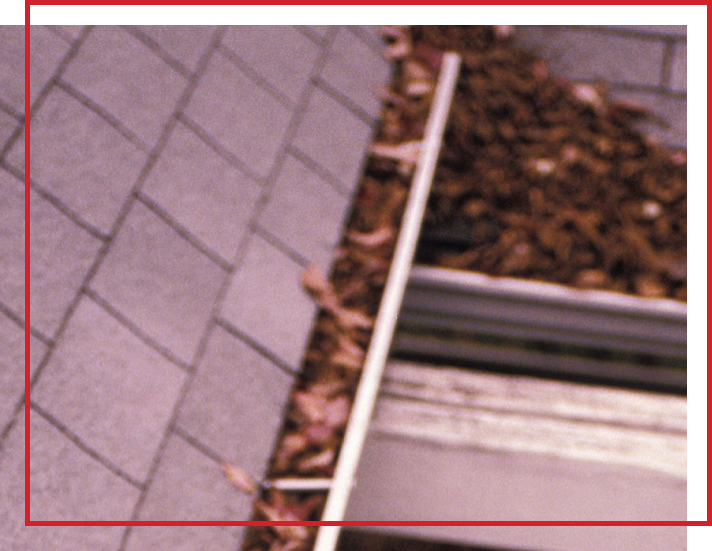
As temperatures rise in the spring, the snow and ice melt, increasing moisture and potential roof leaks. Spring is an excellent time to request an inspection of your roof for any damage caused by the winter. Look for missing or damaged shingles or signs of water damage, and ensure your gutters are clear of debris to allow for proper drainage.

Spring is also an excellent time to schedule any necessary roof repair to address issues before they worsen. Catching problems early can save you from more extensive and costly repairs.

Summer: The Heat Factor

Summer in Minnesota can bring intense heat and UV radiation, which can cause shingles to become brittle and crack over time. The thermal expansion and contraction from the heat can also lead to the loosening of roofing materials.

To protect your roof during the summer months, ensure proper ventilation in your attic to reduce heat buildup. Requesting an inspection can help identify and address potential issues before they lead to significant damage.

Fall: Preparation for Winter

Fall is a critical time to prepare your roof for the upcoming winter. Request a professional to inspect your roof for any damage that may have occurred over the summer, such as cracked or missing shingles. Ensure your gutters are clean to handle the increased rainfall and prevent water from pooling on your roof.

Fall is also an ideal time to schedule a professional roof inspection. Addressing any minor repairs now can prevent them from becoming significant issues when the winter weather hits.

Common Roof Quirks and Issues

Over time, roofs can develop various quirks and issues that homeowners should know about. These include:

Granule Loss

Over time, asphalt shingles can lose their granules, which protect against UV damage. The freeze-thaw cycle in Minnesota’s spring and ice dams can both increase granule loss, leading to faster deterioration of the shingles.

Curling or Buckling Shingles

Extreme weather conditions or age can cause shingles to curl or buckle, reducing effectiveness and leading to potential leaks. Older shingles, especially those near the end of their lifecycle, are more likely to curl in the heat.

Flashing Damage

The metal flashing around chimneys, vents, and skylights can become damaged or corroded, leading to leaks. Over the years, the caulking in these areas can also break down, pulling away and creating paths for water to flow. 

Sealant Deterioration

The sealants roofers use to cover exposed fasteners and terminations deteriorate, shrink, and crack over time and should be reapplied every 7-10 years.

Moss and Algae Growth

Moss and algae can grow on your roof in humid conditions, causing damage and reducing lifespan. Moss and algae also retain water, causing premature aging of shingles and leaks, especially on the north side of the roof, due to Minnesota’s climate. Regular cleaning and treatment can help prevent these issues.

Roof Repair & Replacement

Maintaining your roof is crucial for protecting your home from the elements. Requesting a professional inspection and timely roof repair can extend the life of your roof and prevent more extensive damage. However, there comes a time when roof replacement is necessary, especially if the roof is nearing the end of its expected lifespan or has sustained significant damage.

In some cases, an insurance-funded roof replacement may be an option, particularly if your roof has been damaged by severe weather such as hail or high winds. Understanding your insurance policy and working with a reputable roofing contractor to navigate the claims process is essential.

If you need roof repair, roof replacement, or assistance with an insurance-funded roof replacement, BD Exteriors is here to help. Fill out our contact form or call (320) 229-2855. Our team of experts is ready to ensure your roof is in top condition, no matter the season.

What’s the Right Shingle for Me?

Deciding between Class 3 and Class 4 shingles depends on various factors, including your budget, the weather conditions in your area, and your long-term plans for your home.

Budget

If immediate cost savings are essential, Class 3 shingles are viable. However, if you can afford the higher upfront cost, Class 4 shingles offer better long-term value.

Weather Conditions

Class 4 shingles provide superior protection and peace of mind for areas with frequent severe weather.

Longevity

If you plan to stay in your home for many years, the extended lifespan of Class 4 shingles can justify the higher initial investment.