Mistake #3: Ignoring Chimney and Roof Flashing Issues
One of the most common—and most expensive—problems we see is around chimneys and roof penetrations. From the ground, everything can look fine. But up close, we often find:
- Cracked chimney crowns
- Deteriorating mortar joints
- Rusted or lifting flashing
- Poor sealing where the roof meets the chimney
These areas are some of the most vulnerable points on your roof. And once water finds its way in, it doesn’t take long for problems to develop inside the home.
What happens if you wait:
- Water leaking into the attic or ceiling
- Interior staining and drywall damage
- Rotting roof decking around the chimney
- Mold and moisture issues over time
The tricky part is that these leaks are often slow and go unnoticed until the damage becomes obvious.
What to do instead:
- Inspect chimney and flashing areas regularly—especially after winter
- Address cracked mortar or deteriorating chimney structure early
- Ensure flashing is properly installed and sealed during any roof work
- Don’t ignore small leaks or staining near chimney areas
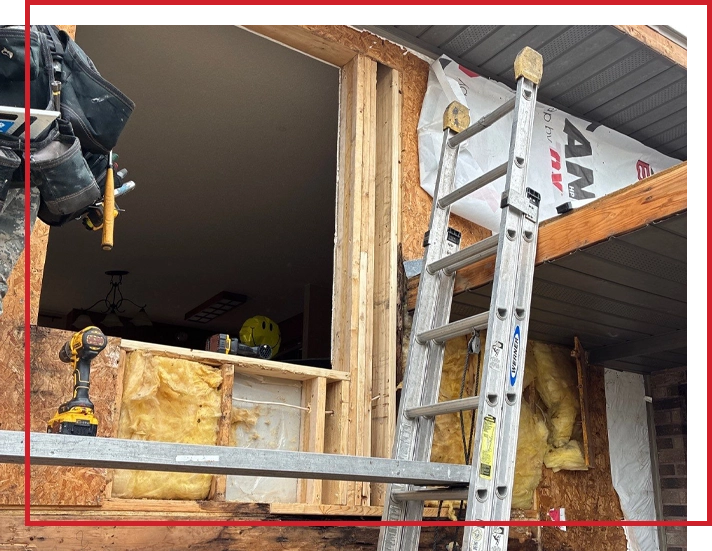
Mistake #4: Waiting Too Long to Address Siding Issues
Siding problems don’t stay the same in summer—they get worse. Heat, moisture, and repeated storms can accelerate damage quickly. Common signs include:
- Loose or warped panels
- Cracking or separation
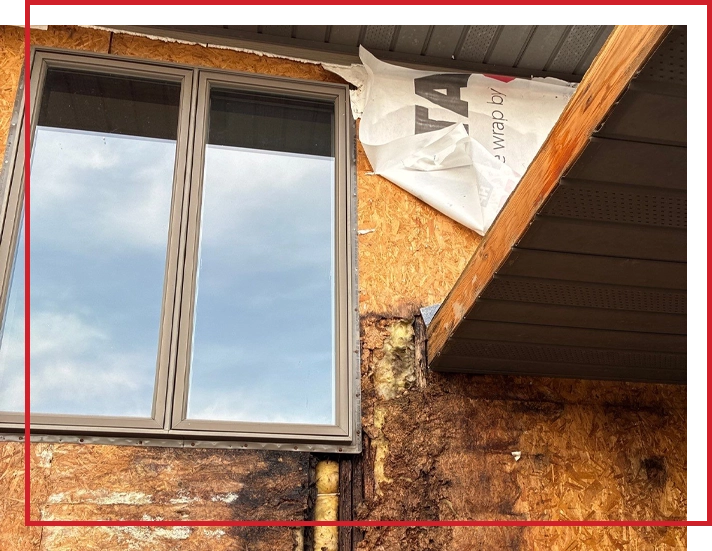
- Moisture getting behind the siding
What happens if you wait:
- Water intrusion behind siding
- Rot and structural issues
- Increased repair scope
What to do instead:
Address siding concerns early before moisture has time to spread.
Mistake #5: Hiring Based on Price Instead of Long-Term Quality
Summer is peak season—and that brings more options, not all of them good. Some homeowners make decisions based on:
- Lowest bid
- Fast availability
- High-pressure sales
That often leads to shortcuts in installation.
What these can result in:
- Improper flashing
- Poor ventilation
- Shortened lifespan of materials
What to do instead:
Choose a contractor who understands Minnesota conditions and installs complete systems—not just shingles or siding.
Why Summer Is When Problems Get Expensive
Summer doesn’t create issues—it accelerates them. Between heat, rain, and storm cycles, small problems don’t stay small.
The earlier they’re addressed, the more options you have—and the less they typically cost to fix.
How to Avoid These Mistakes
The best approach is straightforward:
- Don’t ignore small warning signs
- Address issues early in the season
- Focus on proper installation—not shortcuts
- Work with a contractor who understands local conditions
Most costly repairs we see could have been prevented with earlier action.
Planning Exterior Work This Summer?
If something on your home doesn’t seem right, summer is the time to take a closer look.
BD Exteriors works with homeowners across Central Minnesota to identify issues early and fix them the right way. Contact our team today for a professional inspection and consultation—before they turn into bigger problems.
Serving:
- St. Cloud
- Sartell
- Sauk Rapids
- Monticello
- Foley
- Clearwater
- Cold Spring and surrounding areas