What Melting Snow Reveals About Your Exterior (And What to Do About It)

When snow blankets your home all winter long, it’s easy to forget what’s underneath. But as March temperatures rise and that snow starts to melt, signs of wear and tear begin to surface—and that’s when many Central MN homeowners start to notice things that weren’t visible before.

At BD Exteriors, we start fielding calls this time of year from folks in St. Cloud, Monticello, Clearwater, Sartell, Sauk Rapids, Foley, and beyond, wondering if what they’re seeing is normal—or a sign they need help.

If you think your home’s exterior may be in need of repairs, contact our local shop at (320) 229-2855 or use our online form to get started!

1. Warped or Buckling Siding

As snow piles up and then rapidly melts away, siding panels can shift due to moisture, cold, and constant temperature swings.

Keep an eye out for:

  • Panels that look like they’re bulging or “waving”
  • Separation between seams or trim areas
  • Loose pieces rattling in the wind

These are early signs that your siding may not be properly fastened or that moisture is affecting the structure beneath. It doesn’t always mean replacement—but it’s worth a professional inspection.

2. Lifted Shingles & Exposed Nail Heads

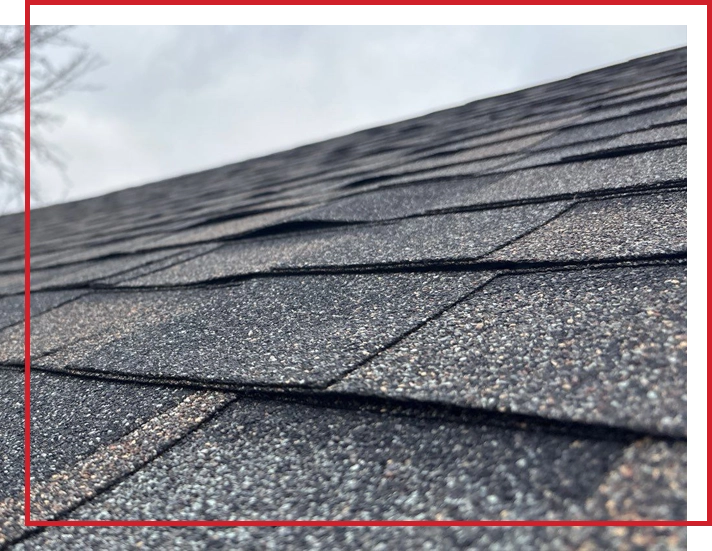
Roofs take a beating over the winter, even without major storms. Freeze-thaw cycles, wind gusts, and drifting snow can all loosen shingles or pull flashing.

Common signs include:

  • Shingles curling or lifting at the edges
  • Nail heads exposed or rising
  • Pieces of shingle grit washing out near downspouts
  • Metal flashing pulled away from chimneys or walls

If you see these during or after snowmelt, it could lead to leaks once spring rain rolls in. The sooner it’s checked, the easier it usually is to fix.

Central Minnesota home with siding and roof exposed after snowmelt, revealing exterior wear

3. Water Damage Along Fascia, Soffits, or Gutters

Snowmelt puts pressure on your home’s drainage system. If the water isn’t moving through your gutters properly—or if ice dams formed earlier in winter—it can leave visible damage around the edges of your roofline.

Watch for:

  • Peeling paint or bubbling fascia
  • Sagging gutters or broken fasteners
  • Visible water stains near soffits or window trim
  • Water spilling behind gutters during the melt

These signs often point to gutter issues, not roofing problems—but ignoring them now can cause leaks or wood rot later.

4. Trim or Siding Movement from Wind & Temperature Swings

Late-winter storms and warm March afternoons can cause materials to shift. It’s not always obvious, but if you see:

  • Trim boards that used to line up but now don’t
  • Gaps between siding and trim or windows
  • Panels that look uneven or twisted

…it’s time to have it looked at. These things don’t usually fail all at once, but they tend to worsen with spring rain and wind.

Should You Schedule an Inspection?

If you’re asking the question, it’s probably worth at least a conversation.

Here’s our no-nonsense advice:

  • If you see obvious gaps, shifting, or water where it shouldn’t be, reach out.
  • If you’re not sure what you’re seeing, send us a photo.
  • If everything looks good but you just want peace of mind, we’re happy to take a look.

We’ll never push for a project you don’t need. That’s how we’ve earned over 200 five-star reviews and built 25 years of trust in Central Minnesota.

Serving:

  • St. Cloud
  • Clearwater
  • Monticello
  • Foley
  • Sartell
  • Sauk Rapids
  • Cold Spring

…and all surrounding areas

Contact BD Exteriors to schedule an inspection or send us your photos.

We’ll tell you what’s normal—and what’s worth fixing—before it becomes a bigger issue.